
When we talk about thermal efficiency in a data centre, the conversation usually starts with the big things: cooling capacity, chiller efficiency, airflow, heat rejection and the performance of the IT equipment itself. These are clearly important. But efficient operation also depends on the mechanical infrastructure supporting the data centre, from chilled-water systems and pumps to valves, flanges, strainers and other components throughout the cooling network.
This is where the approach to insulation matters. Thermal insulation should not be considered simply as something wrapped around pipework. In a critical facility, it can form part of a broader approach to thermal management, personnel protection and the practical requirements of the equipment itself.
The key is to design the insulation around the way the data centre operates.
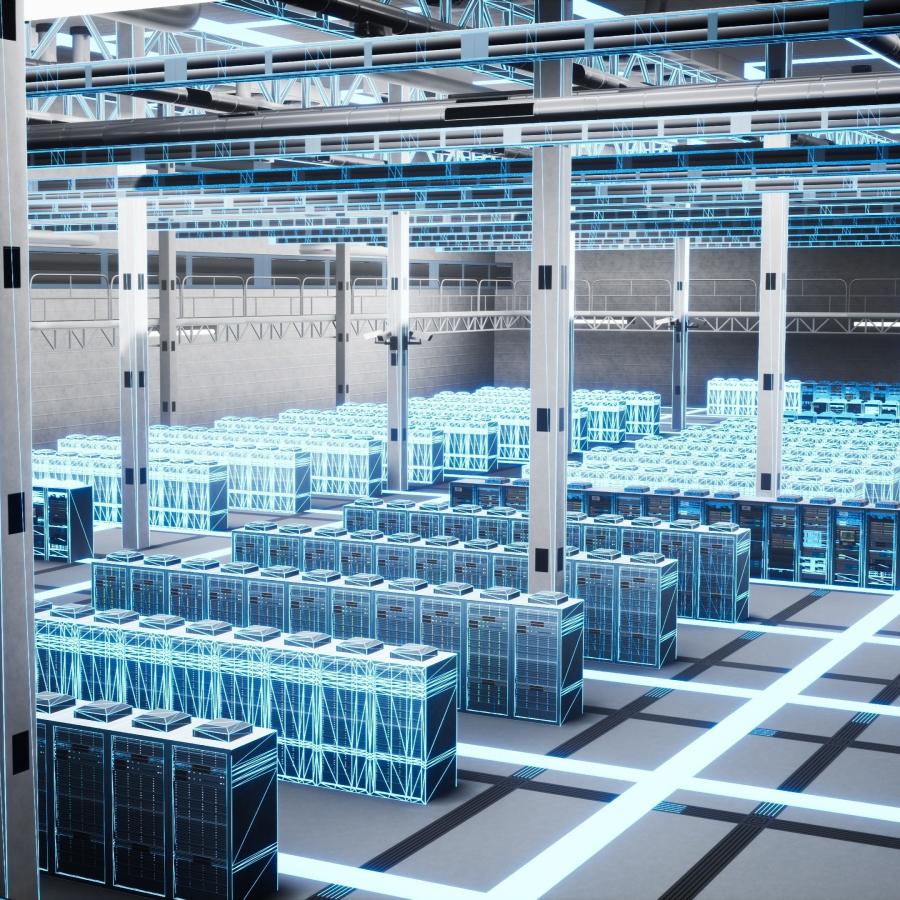
Controlling Heat at Source
There is an important distinction between managing the temperature of the IT environment and managing the heat generated by the infrastructure that supports it.
Data centres are designed to move heat away from critical equipment as efficiently as possible. Chillers, pumps, heat exchangers and cooling circuits are all part of that process. Yet hot surfaces within mechanical and plant areas can still transfer heat into their surroundings.
Thermal covers provide a way of controlling that heat transfer directly at the source. By insulating exposed valves, flanges, pumps and other components, they can help limit the amount of heat released into the surrounding environment.
That does not make a thermal cover a substitute for an efficient cooling system. Instead, it is one of the smaller engineering measures that can complement the performance of the wider system.
The principle is simple: rather than asking the cooling system to deal with heat after it has entered the surrounding environment, control the heat at the component generating it.

Looking Beyond the Pipework
Walk through a mechanical plant room and you will typically see extensive insulation covering the straight runs of pipework. Look more closely, however, and the picture can change. Valves, flanges, strainers, pumps, expansion joints and other irregular components may remain partially or completely exposed.
These components are relatively small compared with a chiller or a major pipe run. But they are also precisely where conventional insulation can become difficult to install, remove and maintain.This creates what could be described as thermal blind spots: small areas of exposed mechanical infrastructure within an otherwise carefully insulated system.
For data centres, where cooling systems operate continuously and efficiency, reliability and safety are closely connected, these details deserve more attention.
Insulation Is Only as Effective as the System Around It
A well-designed cooling system depends on controlling heat transfer. Pipework insulation helps prevent unwanted heat gain or heat loss as water and other fluids move through the system. Yet a valve or flange interrupts that continuous layer of insulation.
Leaving these components exposed can create localised areas of heat transfer and, in chilled-water applications, can also introduce condensation risks where surface temperatures fall below the surrounding air's dew point. The answer is not necessarily to permanently insulate every component.
In many cases, the better solution is to design the insulation around the equipment. That is where bespoke removable thermal covers come into their own.
From Standard Insulation to Component-Level Thermal Management
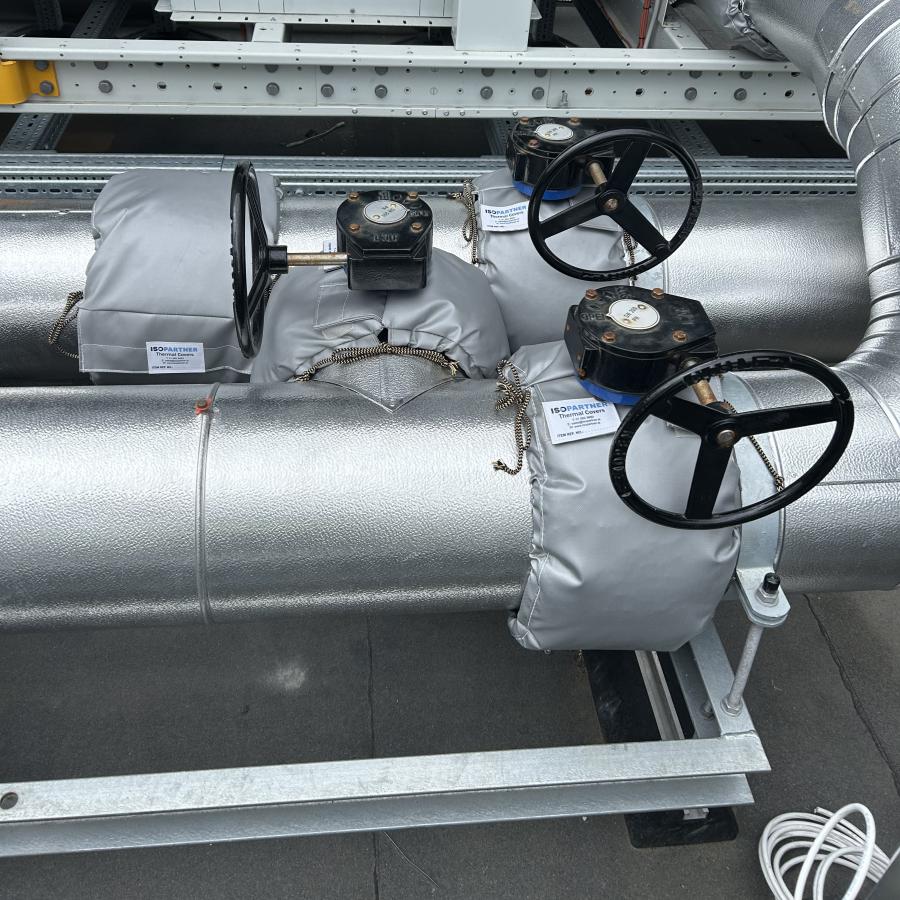
Thermal covers are well established on valves and other hot surfaces, particularly where personnel protection or energy conservation is required. Bespoke covers are also routinely used on more complex equipment, including burners and other irregularly shaped components.
The same principle has a natural application within data-centre infrastructure.
Rather than treating valves, pumps, flanges and strainers as awkward exceptions to a standard insulation system, they can be treated as part of the thermal design from the outset.
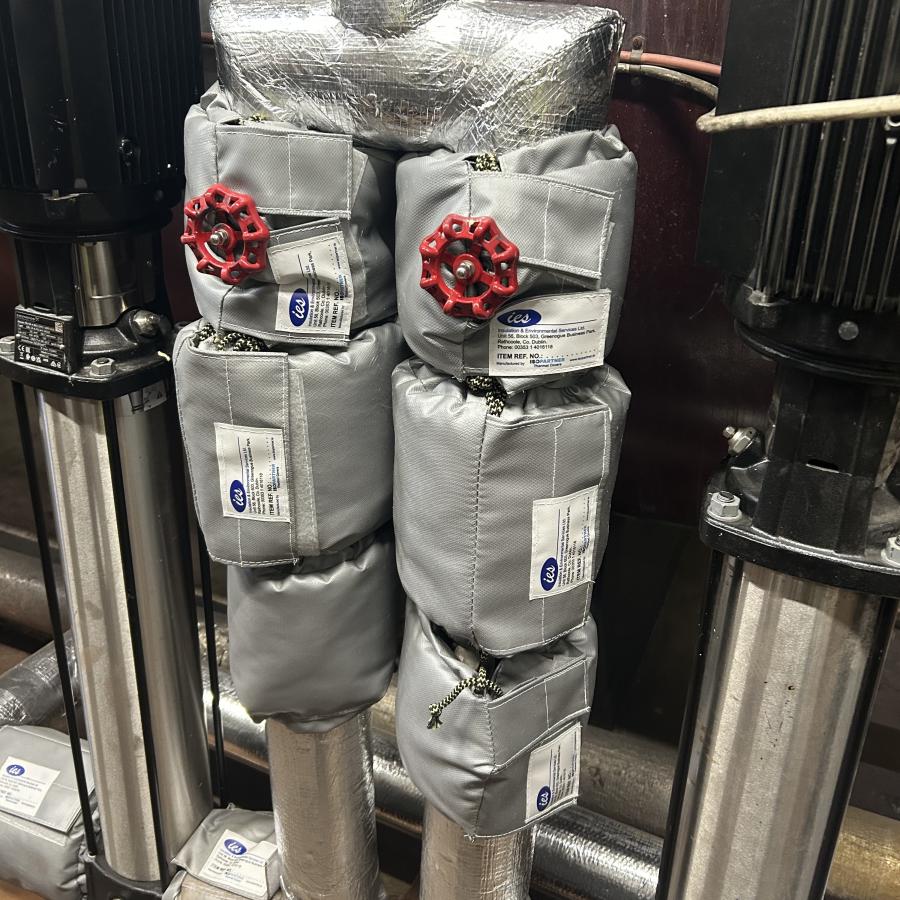
A made-to-measure cover can be manufactured around the geometry of the component, incorporating openings, fastenings and access points where required. The result is a layer of insulation that follows the equipment rather than forcing the equipment to fit a standardised insulation solution.
This is particularly valuable where equipment needs to be accessed regularly. Removable covers allow the insulation to be taken off when required and reinstated afterwards, without having to cut away and rebuild permanent insulation.
The Safety Benefit Is Often Just as Important
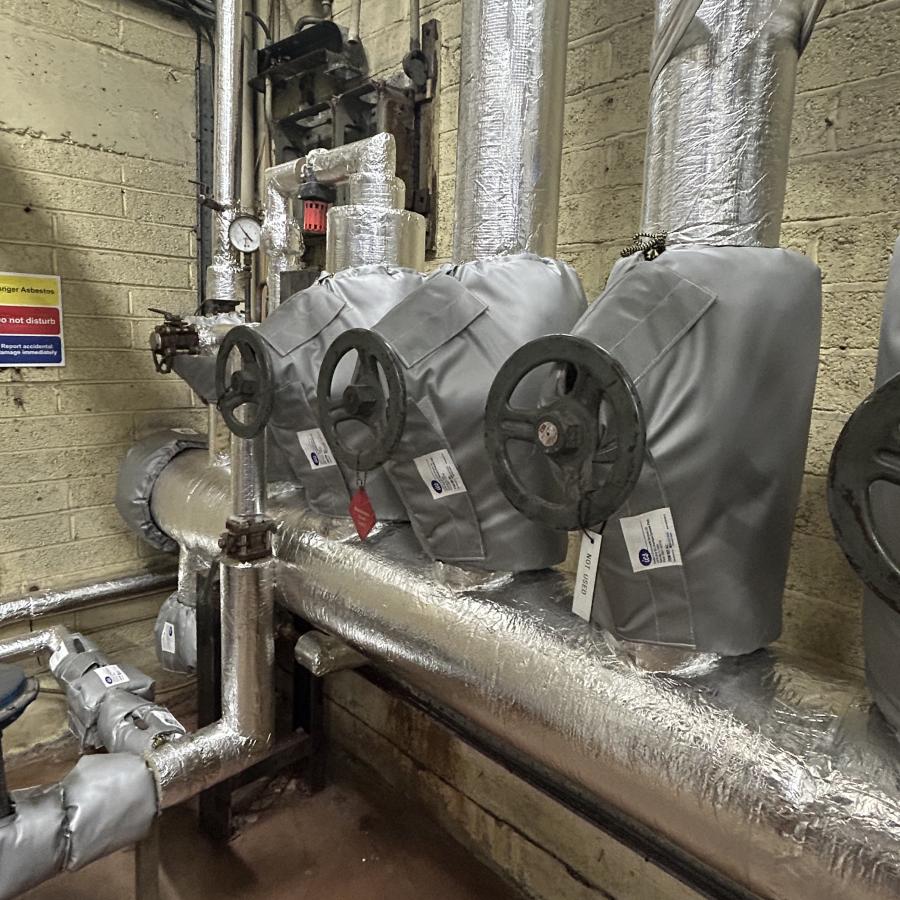
Energy efficiency is only one reason to cover exposed surfaces. Mechanical plant rooms contain components that can operate at temperatures capable of causing injury. Valves, pipework, pumps and other equipment may become hot enough to present a contact hazard to engineers and contractors.
Thermal covers can provide a physical barrier between personnel and hot surfaces while retaining access to the equipment when maintenance is required. This is one reason that the design of a cover matters as much as the insulation material inside it. The cover needs to withstand the operating environment, remain securely fitted, accommodate the geometry of the component and allow practical removal and refitting.
In other words, personnel protection and thermal performance need not be separate design considerations.
Discover our complete made to measure range
Could Thermal and Acoustic Control Be Designed Together?
There is another opportunity that is perhaps less obvious. Data-centre mechanical infrastructure does not only generate heat. It can also generate significant levels of noise and vibration. Compressors and other mechanical equipment can therefore present two different engineering challenges within the same space: controlling heat transfer and controlling sound.
This opens the possibility of thinking beyond the traditional thermal cover.Depending on the application, bespoke enclosures and covers can be designed with thermal and acoustic requirements in mind, rather than treating the two as entirely separate problems. The principle is already familiar in industrial environments, where bespoke acoustic covers are used around compressors and other noisy equipment. Data-centre plant rooms provide another environment in which this kind of multi-functional enclosure can have a role.
The important point is that the solution should start with the equipment and its operating requirements, rather than with a standard product.
The Case for Looking at the Details
Data-centre efficiency is often discussed in terms of major systems and headline performance metrics. Those measurements are important, but they do not necessarily show every opportunity for improvement:
- A valve may be insignificant compared with a chiller.
- A flange may represent only a small area of exposed surface.
- A pump cover may seem like a minor engineering detail.
But a data centre is made up of thousands of such details, and the mechanical systems supporting the IT environment need to operate continuously. That makes the question worth asking: "Where are the thermal gaps in an otherwise highly engineered system?"
Finding those gaps does not necessarily mean adding more permanent insulation everywhere. It means identifying where bespoke, removable and appropriately specified covers can provide a practical improvement without compromising access to the equipment. Ultimately, designing insulation around the way a data centre operates means looking beyond the standard approach to insulation and considering the complete installation: the equipment, its operating environment, the people working around it and the wider thermal and acoustic requirements of the facility.