
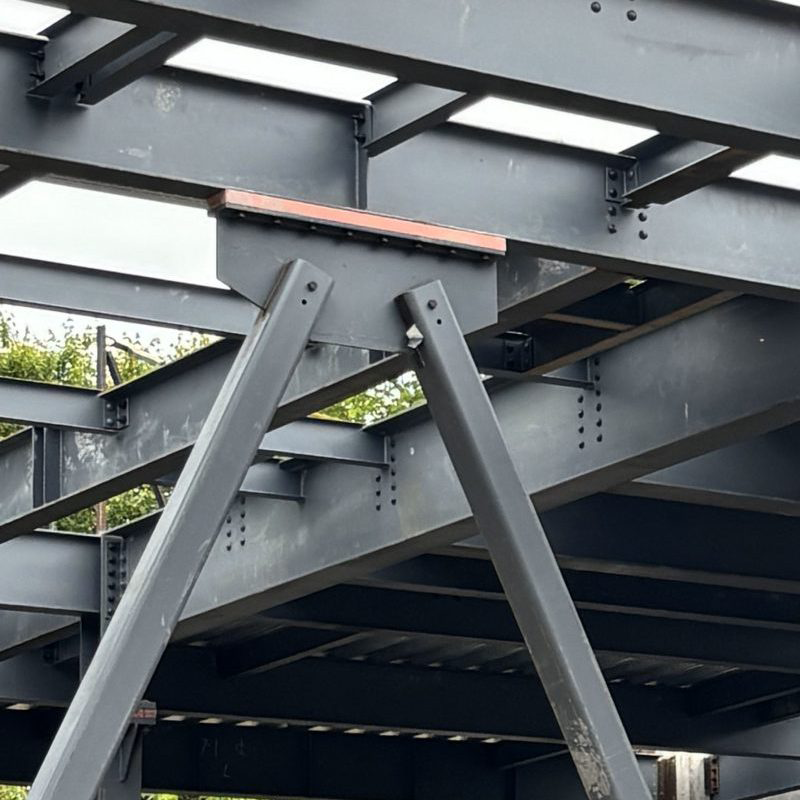
TICO Thermal Break Plate Design
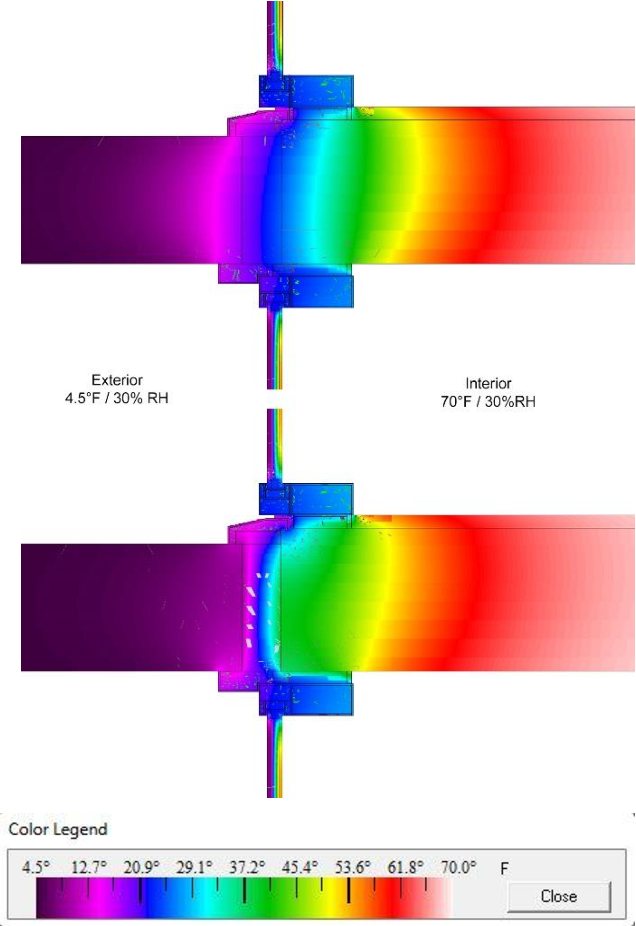
Thermal break plates are engineered to interrupt heat flow through structural elements, preventing thermal bridging at connection points. By separating exterior and interior steelwork with a low-conductivity layer, they reduce heat loss, stop cold surfaces from forming, and maintain consistent temperatures across the building envelope.
ISOPARTNER is proud to partner with TICO, a recognised expert in thermal break plate design, to deliver tailored solutions for complex project requirements. This collaboration ensures best-in-class products, comprehensive technical support for designers, and expert guidance on the correct specification, integration, and mitigation of thermal bridging in insulation solutions.
Thermal breaks will eliminate the risk of mould growth, condensation and resultant corrosion occurring due to thermal bridging in structural elements, making them essential for long-term building performance.
ISOPARTNER provide clients with a complete solution which includes Thermal break washers to improve thermal break solution performance by up to 70%.
ISOPARTNER TICO thermal break plates are custom engineered for specific applications, manufactured to meet ISO 9001 and ISO 14001 standards, and accompanied by a Certificate of Conformance ensuring full traceability and compliance.
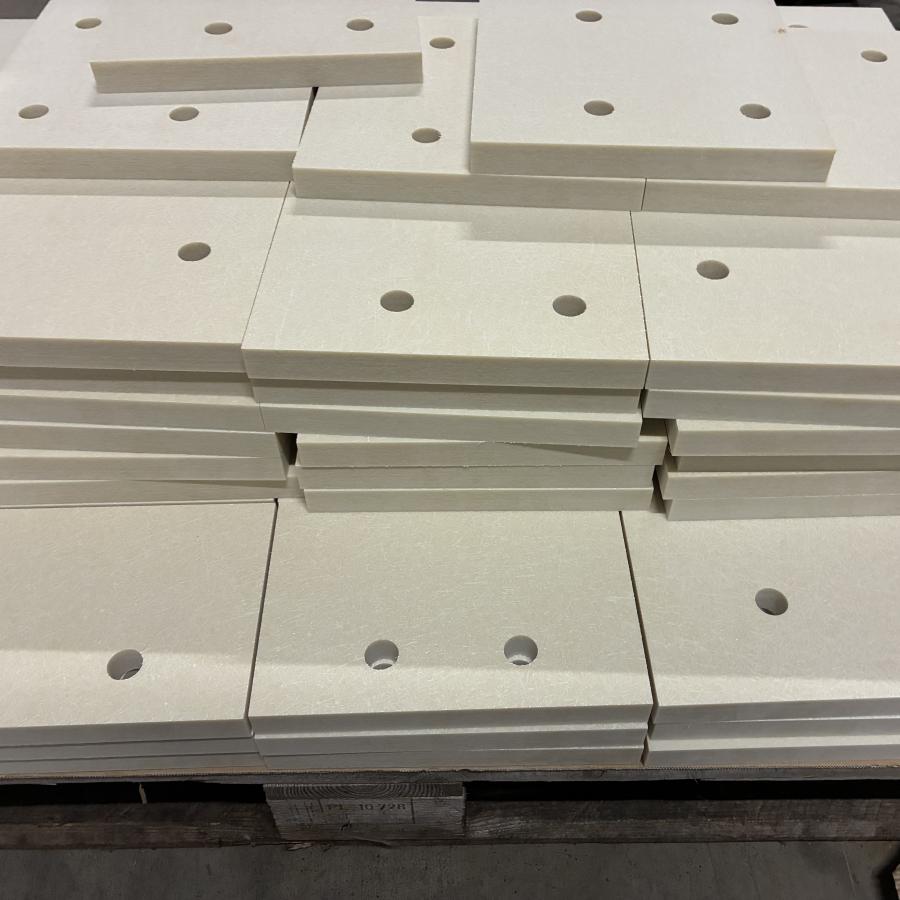
Key Advantages of Thermal Break Plates
- Thermal Insulation: Effectively reduces heat loss and prevents condensation by providing a barrier against thermal bridging.
- Vibration Damping: Incorporates materials that absorb and mitigate vibrations, enhancing structural integrity and occupant comfort.
- Fire Resistance: Certain models, offer A2 fire rating, ensuring compliance with stringent fire safety standards.
- Compressive Strength: Designed to withstand high loads, maintaining performance under structural stress.
- Environmental Adaptability: Suitable for use in various climates, providing insulation in both hot and cold conditions.
Thermal Break Plates Made to Measure
ISOPARTNER thermal break plates are manufactured to order, ensuring every solution is tailored precisely to our customers’ structural and performance requirements. We understand that no two projects are the same, which is why our plates are made to measure rather than supplied as standard, off-the-shelf components.
Each thermal break plate is produced to the exact dimensions specified, with material thicknesses available from 5mm to 25mm to suit varying load demands and thermal performance criteria. Whether the application involves façade brackets, steel-to-steel connections, balconies, or structural interfaces, we work closely with clients to ensure the correct balance of strength, insulation and durability.
Fixing hole positions are machined accurately to match individual connection details, reducing installation time on site and ensuring perfect alignment with structural steelwork or concrete interfaces. Surface finishes can also be specified to meet project requirements, whether for improved durability, slip resistance or aesthetic considerations.
By combining high-performance materials with precision machining, ISOPARTNER delivers thermal break plates that integrate seamlessly into your design. Our bespoke approach provides engineers and contractors with confidence that each component will perform exactly as intended — structurally, thermally and practically — on every project.
Discover our Thermal Break Plates
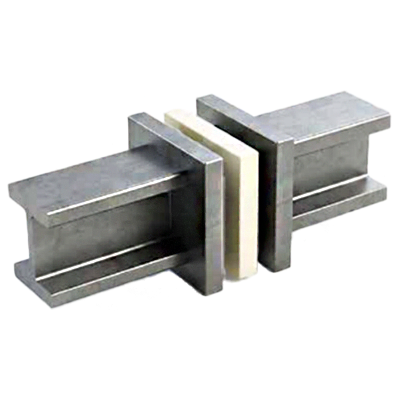
Our other made to measure solutions
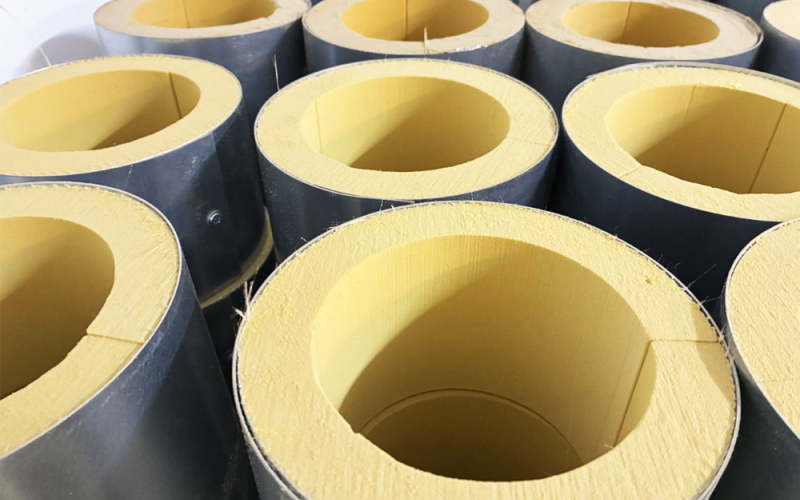
Pipe Supports
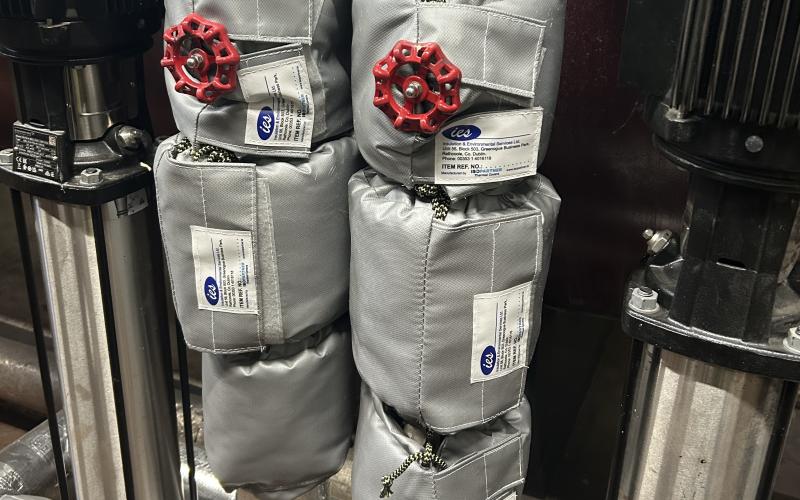
Thermal Covers
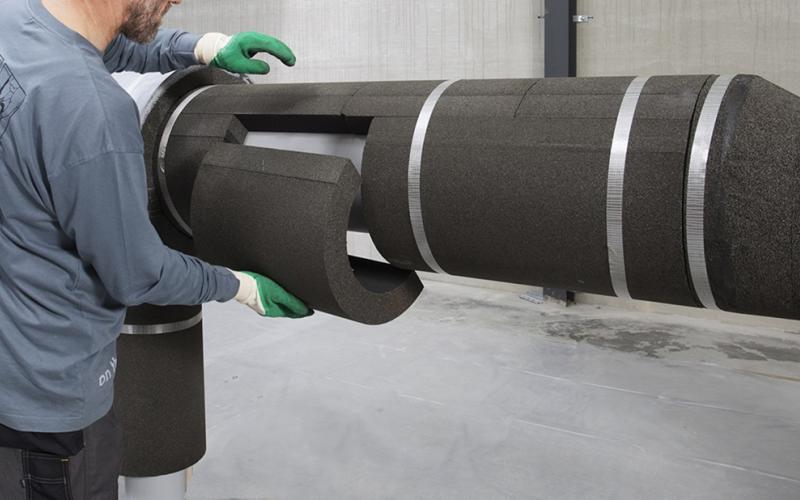
Tailored Insulation Kits
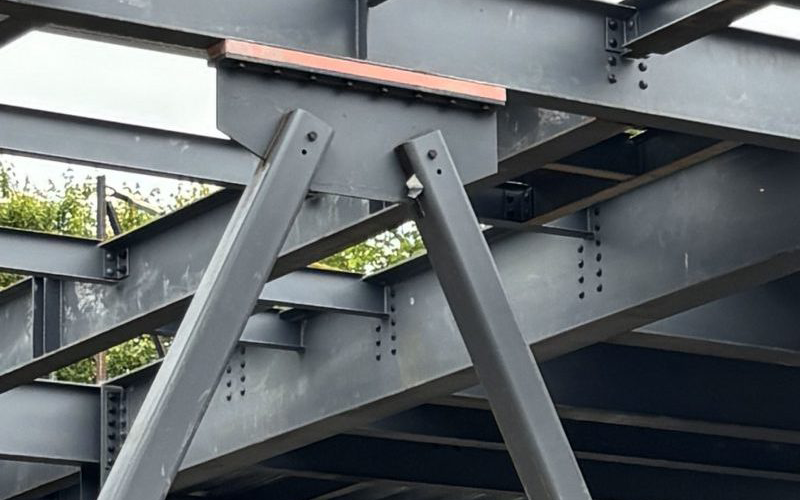
Thermal Break Plates
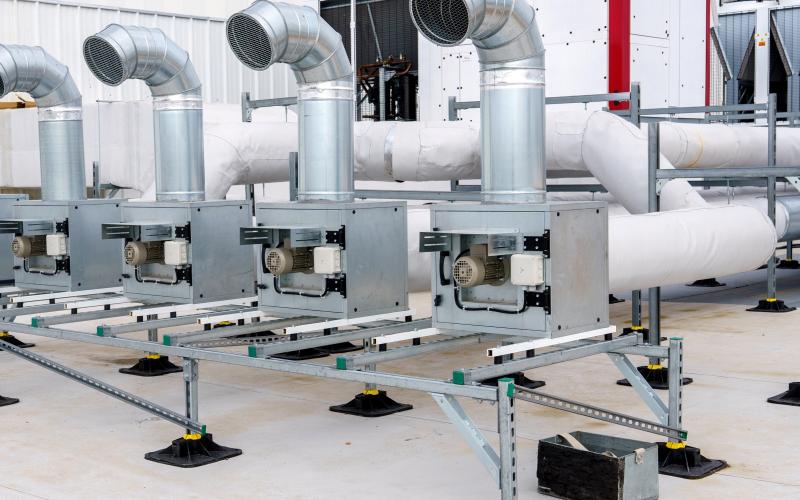
Anti-Vibration Solutions
Feel free to contact us for more info
- Buildings must comply with Part L of the Irish Building Regulations (energy performance)
- They help achieve Better Energy Building standards (SEAI guidelines)
- Ireland’s damp, temperate climate increases risk of heat loss and condensation
- Reduced energy loss
- Improved U-values
- Prevention of condensation and mould
- Enhanced building compliance
In Ireland, thermal break plates are commonly specified in commercial, industrial, and modular construction.
Typical applications include:
- Steel beam-to-column connections
- Balconies and façade attachments
- Curtain wall systems
- Precast concrete interfaces
- Structural penetrations in insulated envelopes
They are widely used in:
- Office buildings
- Healthcare facilities
- Industrial units
- Residential developments targeting A-rated BER
- Part L Compliance (Building Regulations Ireland)
- NZEB (Nearly Zero Energy Buildings) targets
- SEAI energy efficiency criteria
- Minimising thermal bridging at critical junctions
- Improving overall building fabric performance
- Supporting airtightness and insulation continuity
- Exact fit for Irish construction tolerances
- Reduced installation time on-site
- Lower risk of thermal bridging gaps
- Optimised thermal performance for BER targets
- Supports compliance documentation
- Enables faster project approvals
- Improves long-term energy savings
- GFRP (Glass Fibre Reinforced Polymer)
- High-density insulation laminates
- Structural insulating boards
- High compressive strength for load-bearing applications
- Low thermal conductivity (λ-values suitable for Irish standards)
- Resistance to moisture and corrosion — ideal for Ireland’s humid conditions